Frequently Asked Questions About AI Education: Expert Answers and Tips


Understanding AI Education
Artificial Intelligence (AI) is transforming industries, and education is no exception. As more institutions integrate AI into their curricula, many students, educators, and parents have questions about what AI education entails. This blog post aims to address some of the most frequently asked questions about AI education, providing expert answers and practical tips.
What is AI Education?
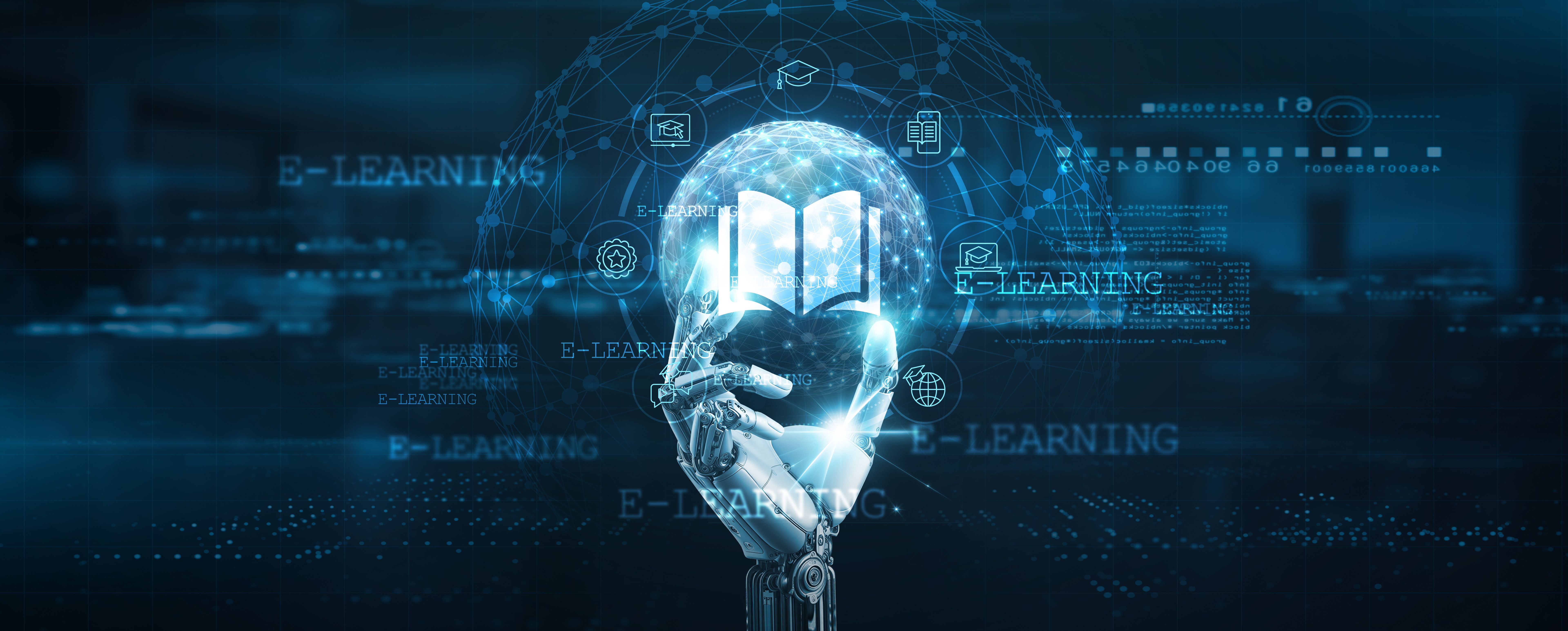
AI education refers to the study and teaching of artificial intelligence technologies and methodologies. It encompasses a broad range of topics, including machine learning, natural language processing, robotics, and data science. AI education can be formal, such as university courses, or informal, like online tutorials and workshops.
AI education is designed to equip learners with the knowledge and skills needed to develop and utilize AI technologies effectively. This includes understanding how AI systems work, their applications, and ethical considerations.
The Importance of AI Education
As AI continues to evolve, there is a growing demand for professionals skilled in AI technologies. Learning AI not only opens up new career opportunities but also enhances problem-solving and critical-thinking abilities. These skills are essential in today’s data-driven world.

How Can Students Get Started with AI?
For students interested in AI, several pathways can facilitate their journey:
- Online Courses: Platforms like Coursera and edX offer comprehensive AI courses from renowned institutions.
- University Programs: Many universities offer specialized AI degrees or incorporate AI into computer science programs.
- Workshops and Bootcamps: These can provide hands-on experience with AI technologies.
Challenges in AI Education
While AI education offers numerous benefits, it also presents challenges. One of the primary challenges is keeping up with the rapid pace of technological advancements. Curricula must be continually updated to reflect the latest developments in AI.

Another challenge is ensuring accessibility. Not all students have equal access to resources needed to learn AI, such as high-speed internet and advanced computing tools. Addressing these disparities is crucial for inclusive AI education.
Tips for Educators
For educators looking to incorporate AI into their teaching, here are some tips:
- Stay Informed: Regularly update your knowledge about AI to incorporate the latest developments into your teaching.
- Use Real-World Examples: Demonstrating AI applications in real-world scenarios can enhance understanding and engagement.
- Encourage Hands-On Learning: Practical projects can help students apply theoretical knowledge and develop problem-solving skills.
Conclusion
AI education is a vital component of modern learning, offering numerous opportunities for students and educators alike. By addressing common questions and challenges, we can better prepare the next generation for a future where AI plays a central role in various industries.
As AI continues to develop, staying informed and adaptable will ensure that both learners and educators remain at the forefront of this exciting field.