AI Education Trends: Innovations Shaping the Future


The Rise of AI in Education
Artificial Intelligence (AI) is transforming the educational landscape, offering innovative solutions that enhance learning experiences. As technology evolves, AI's role in education continues to expand, presenting opportunities for personalized learning and improved educational outcomes.
Personalized Learning Experiences
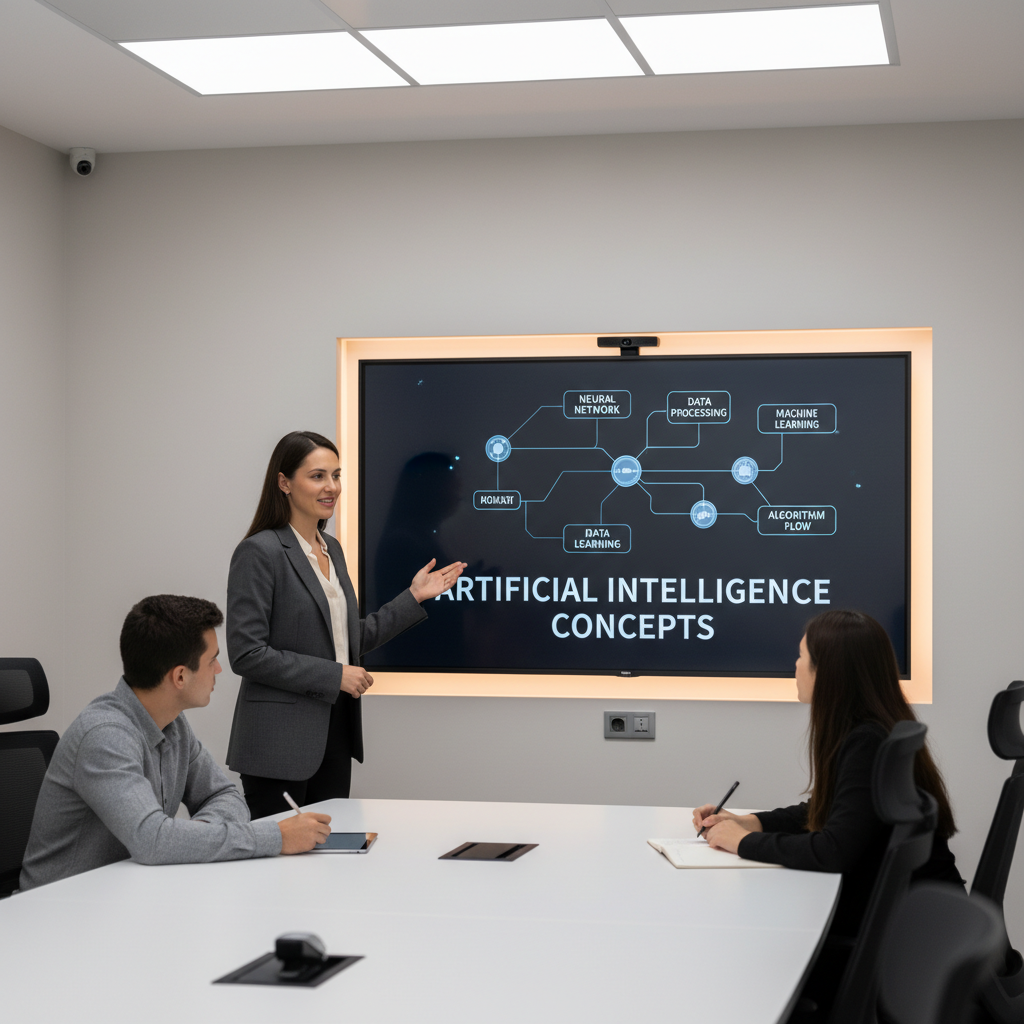
One of the most significant innovations AI brings to education is the ability to create personalized learning experiences. By analyzing student data, AI can tailor educational content to meet individual learning styles and needs. This approach not only optimizes learning but also helps in identifying areas where students may require additional support.
Adaptive learning platforms use AI algorithms to adjust the difficulty level of tasks based on a student's performance. This ensures that students are neither bored with content that is too easy nor overwhelmed by content that is too challenging.
AI-Powered Tutors
AI-powered tutors are becoming increasingly popular as they provide personalized assistance to students outside the traditional classroom setting. These virtual tutors can offer explanations, answer questions, and provide feedback, making learning more accessible and efficient.

By mimicking the one-on-one attention students receive from human tutors, AI tutors help bridge the gap between classroom instruction and independent study. This technology is especially beneficial for students who may not have access to human tutoring resources.
Automating Administrative Tasks
AI is also revolutionizing administrative tasks within educational institutions. By automating repetitive tasks such as grading and scheduling, AI allows educators to focus more on teaching and less on paperwork. This shift not only increases productivity but also enhances the quality of education delivered.
Moreover, AI can streamline admissions processes by analyzing applications more efficiently, helping institutions select candidates who are the best fit for their programs.
Enhancing Accessibility
AI technologies are making education more accessible to students with disabilities. Through tools like speech recognition and text-to-speech applications, AI provides alternative ways for students to interact with educational content.

These innovations ensure that all students, regardless of their physical abilities, have equal opportunities to learn and succeed. By removing barriers to access, AI is paving the way for a more inclusive educational environment.
Preparing Students for the Future
As AI continues to shape the future of education, it is also preparing students for a workforce that increasingly relies on technology. Educational programs incorporating AI teach students valuable skills such as data analysis, coding, and problem-solving.
By integrating AI into the curriculum, educational institutions are equipping students with the knowledge and skills necessary to thrive in a rapidly evolving digital world.

Challenges and Ethical Considerations
While AI offers numerous benefits to education, it also presents challenges and ethical considerations. Issues such as data privacy, the digital divide, and the potential for bias in AI algorithms must be addressed to ensure that AI technologies are used responsibly and equitably.
Educators, policymakers, and technology developers must work together to create guidelines and frameworks that govern the ethical use of AI in education. By doing so, they can harness the power of AI while safeguarding the interests of all learners.
In conclusion, AI is undoubtedly shaping the future of education, offering transformative solutions that enhance learning and teaching. By embracing these innovations, educational institutions can provide students with the tools and opportunities they need to succeed in an increasingly digital world.